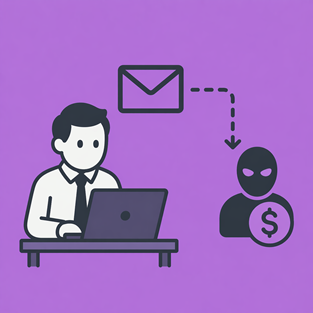
Hacks used to be impressive, utilizing bits and pieces of technology that made us sit up and pay attention. Nowadays, every scam, breach, or sketchy text message gets labelled a "hack" when it's really just basic use of existing technology, or an outright scam. Let's take a closer look at how the meaning of “hack” has changed, from the complex brilliance of NotPetya in 2017, to today's flood of scams powered by stolen data and AI fakery. It’s the end of the Age of the Great Hack, and the rise of the Age of Many Scams.
You'd think that with all the cybersecurity tools and strategies we have at our fingertips, hacks would be a thing of the past, but they're not. What is that?
We’ve long known that we need to keep our emails private, a hide access behind a strong, solid password. But at the same time, you might think, “So what if
Remember Charlie and the Chocolate Factory? That cute children’s story where some lucky kids get to tour Willy Wonka’s secret factory. This story, written by Raold Dahl in 1964, has